
Mehmet Acar, Forbes Türkiye
December 12, 2025
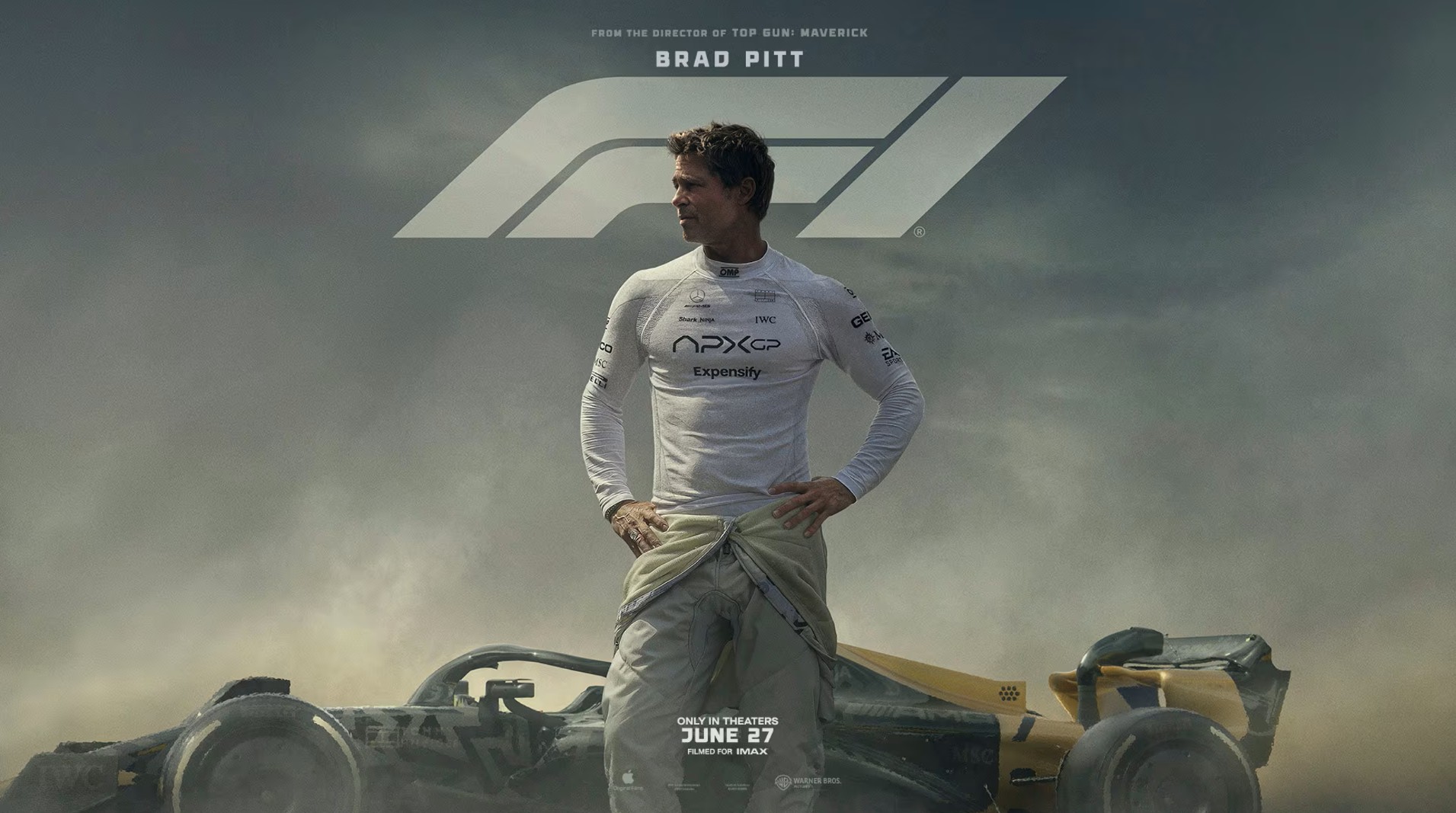
The F1 film starring Brad Pitt is more than a racing story; it is a powerful exploration of how leadership, team culture, and consistent small improvements drive lasting success. Sonny Hayes’ return reminds us: sustained excellence on track or in business comes from daily 1% improvements, not grand gestures.
Last weekend, I watched the new F1 film starring Brad Pitt. Based on the reviews I had read, what I had heard, and what viewers had shared, I already had some idea of what to expect. I also knew what to expect because I had previous experience watching F1. Years ago, during my time as an executive at Shell Turkey, I received the European President’s Award, and my prize was the opportunity to watch F1 from a VIP lounge in Budapest. Twenty years later, I felt that same excitement once again, this time in front of a screen.
This set my expectations: beautiful cinematography, a strong story, a compelling hero, and a narrative built on performance.
At the center of the 2025 film F1 is a story much deeper than speed, victory, or adrenaline. Sonny Hayes, portrayed by Brad Pitt, returns to Formula 1 after 30 years not for fame or revenge, but to rebuild a team that has lost its competitive edge. This echoes the film’s broader theme of leadership.
“Money, fame, interviews… It’s all noise. I drive because I love driving.”
Sonny Hayes
We live in an era where the meaning of true performance has long been lost. Mastery has disappeared from our vocabulary. Only those who prefer to live away from the noise, those who continue their journey in search of meaning, are the ones who still, tirelessly, and relentlessly pursue excellence through small daily improvements.
In all my work, I place focus and passion at the center. No effort that we do not focus on, that we do not channel our energy into, that we do not feel excitement and passion for, can yield results. Without turning simple actions into drama, by first recognizing the value of each moment and accepting foresight as a competency, developing it…
What we see on screen is not merely a racing drama; it is a mirror reflecting the world of leadership, team culture, and organizational transformation. It is a story of existence. Not just about winning, but about existing within time.
The film’s message that every millisecond matters extends far beyond lap times. It is the main lesson: sustainable excellence relies on micro-improvements, relentless focus, and disciplined teamwork. This is the foundation of transformational success.
While watching the film, I was reminded of one of the most influential concepts in management science: the Law of Marginal Gains, which ties directly into the film’s theme.
Marginal Gains: When 1% Improvements Create Extraordinary Results
When David Brailsford was appointed head of the British National Cycling Team, British professional cyclists were going through a dark period spanning nearly a century. Since 1908, British athletes had won only one gold medal in the Olympic Games, and for 110 years, no British cyclist had won the Tour de France, the most prestigious race in cycling. The situation was so dire that British bicycle manufacturers refused to sell bikes to the national team, fearing it would harm their brand.
The reason Brailsford was selected was his management strategy, which he called “the aggregation of marginal gains,” and which attracted great interest from cycling federation executives. Brailsford believed that small improvements in every detail, from training techniques to nutrition, from bike maintenance to transportation methods, from where the team stayed to the pillows they used, would eventually accumulate into significant overall benefits.
Brailsford’s vision and strategy were ambitious. He began applying these 1% improvements to increasingly unexpected areas that no one had considered before.
Dave Brailsford, the architect of British Cycling’s historic success, built his legacy on a simple yet revolutionary belief:
“Break everything down. Improve each part by 1%. Then watch the extraordinary results unfold.”
Improving cyclists’ sleep patterns, accelerating muscle recovery, ensuring hotel pillow hygiene, redesigning saddles, optimizing tires…
These touches may have seemed insignificant on their own, but together they created unstoppable success. Between 2007 and 2017, British cyclists won 178 world championships, 66 Olympic or Paralympic gold medals, and 5 Tour de France victories.
This is the same logic that the F1 film brings onto the stage, connecting real-world high performance with cinematic storytelling.
Every pit stop, tire change, team coordination, and strategic decision may not seem dramatic alone, but together they determine a team’s outcome.
The film quietly reminds us of this truth: Championships are not won through big moves; they are earned through thousands of 1% improvements that add up to long-term success.s.
Sonny Hayes’ story becomes more than a comeback:
It is a real example of how culture can change step by step.
Success is not a gift that falls from the sky.
It is the sum of small but correct choices made every day.
Our Company Is Our Track. In business, management is not just about presentations, slogans, or forced motivational speeches; it’s embedded in the daily details, much like the incremental improvements that determine victory on the track.
Real management is found in every small detail that changes companies.
And this is exactly where the beauty of marginal gains lies:
You don’t need perfection.
You only need a little progress every day.
Sonny Hayes’ return is not just about the race track. It’s also an inner journey. He faces old problems, regrets, and a lost part of himself.
Organizations, much like individuals, go through a similar cycle of confronting old wounds and challenges.
Teams have histories.
People carry unspoken resentments.
New team members bring strong habits and groups from their past.
Companies carry cultural wounds that slow them down more than their competitors.
Change starts when a team, like a person, dares to look inside.
The F1 film whispers a profound truth: rebuilding does not begin with big things; it starts with repairing the small fractures we so often choose to ignore, whether in racing or organizations.
We are now so focused on individual smarts that we forget teamwork. While chasing personal wins, many leaders overlook the amazing teamwork in a pit stop.
Collaboration often feels threatening to others, yet when egos are set aside, and we act through collective intelligence and a culture of collaboration, we see, once again, how extraordinary the outcomes can be.
F1 is not just a racing story.
It is about returning to oneself.
It’s about friendship, growing together, and a leadership lesson that seems fun but means a lot.
To win both on the track and in business, adopt a system-focused mindset and commit to daily, incremental improvements.s.
Our teams must come together around goals, purpose, and trust.
And we must show humility by reflecting on ourselves and rediscovering who we are.
Whether you are managing a cycling team, a Formula 1 team, a start-up, a creative studio, a factory, a sports center, or your own career, it does not matter.
Your track is your daily life.
Every interaction. Every decision. Every detail.
On the track, milliseconds matter. Just as milliseconds matter in racing, every decision counts in leadership: pursue progress and consistency for true success.
