
Mehmet Acar, Forbes Türkiye
November 2, 2025
True leadership is not just about gaining compliance or motivating employees. Severance reminds us that authentic leaders prioritize winning employees’ hearts by fostering trust, connecting through purpose, and valuing their wholeness at work.
This is not just the story of a series; it’s also a powerful metaphor exposing the greatest misconception of today’s leaders.
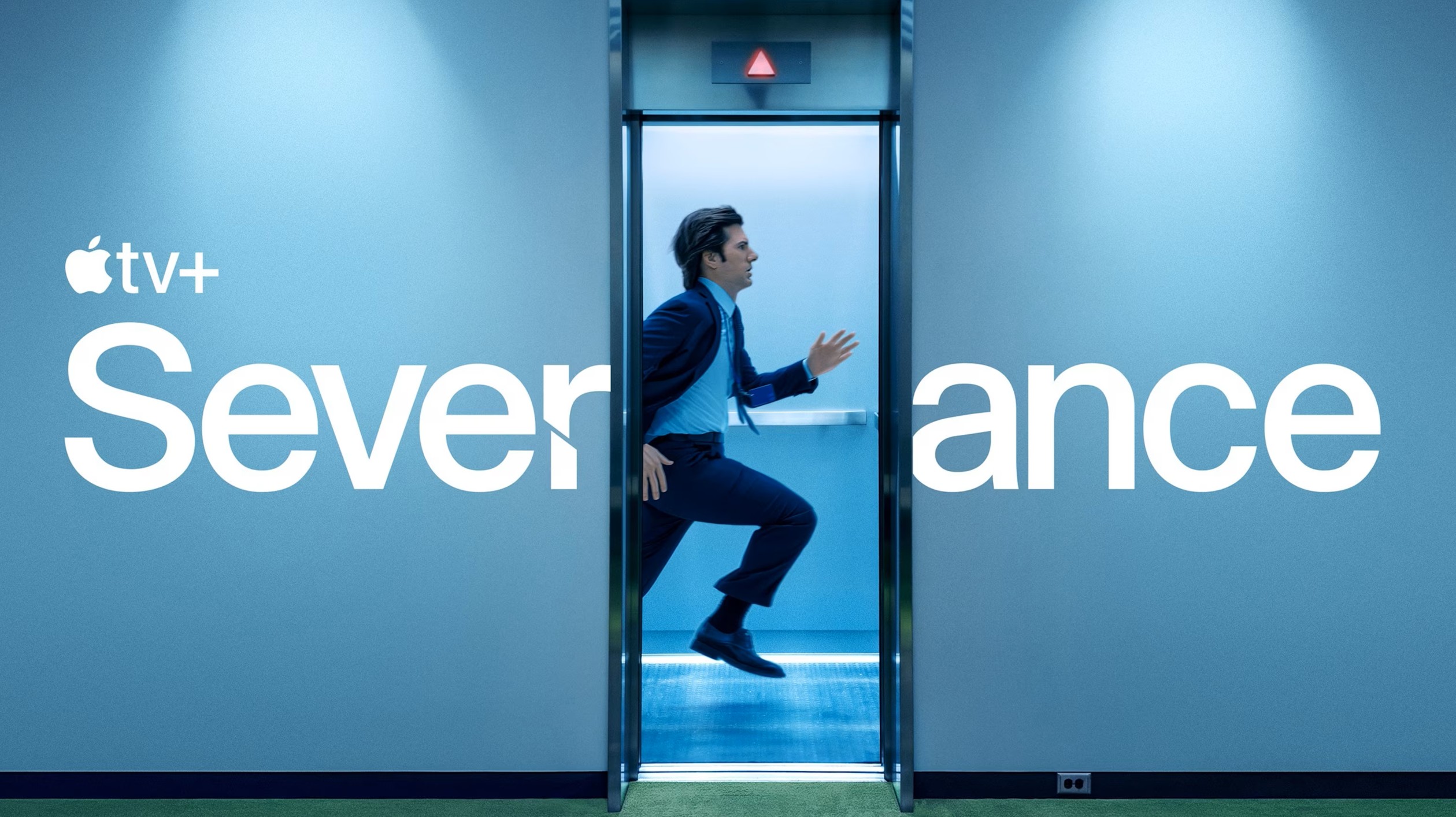
Consider the image of an elevator.
The moment its doors close, you forget who you are.
Your name, your past, your loved ones… everything.
All that remains is a limited memory related only to your job.
The Apple TV+ series Severance is built exactly on this idea.
A company splits its employees’ minds: the “inside self” knows work only, while the “outside self” remembers nothing from inside.
Work and life are separated by a sharp line.
This sharp line prompts a deeper question: Is it a form of liberation, or the quietest tragedy of humanity?
It may sound peaceful, you carry no stress, you don’t dwell on the past.
But the series forces us to ask a much darker question:
Is separating a person from their work actually separating them from themselves?
Have you ever said, “I wish I could completely forget my job”?
Emails, meetings, and targets if your thoughts linger in the office after hours, you are not alone. Yet if offered the chance to truly forget it all, would you accept?
The post-pandemic era has fundamentally changed the concept of “work-life balance.”
From remote work to quiet quitting, from burnout to the rise of “wellbeing” everything shows that work is no longer just work.
Severance explores this idea directly. In the show, Lumon Industries splits employees’ minds in two: entering the workplace means forgetting personal lives, while exiting erases all memory of work. At first, this sounds peaceful no stress, no past to weigh you down. Yet the “perfect balance” it creates ultimately shatters the very essence of being human.
This brings us to a pivotal choice: Corporate Heaven or Mental Prison?
At first glance, Lumon appears to be an ideal company. Rules are clear, employees are disciplined, and productivity is at its peak.
But as the series progresses, you realize it is a kind of “white-collar dystopia.” Everything looks perfect, yet no one knows why they are there or what purpose their work serves.
While watching, one thought keeps returning:
In our own world, many companies unknowingly do the same thing. Not by splitting minds, but by silencing emotions. Under the name of “professionalism,” employees are expected to leave their feelings, values, and identities at the door. The result?
People who function like machines within the organization, yet are slowly burning out inside.
The Modern Form of Alienation
One of Severance’s greatest strengths is how it amplifies a deeply familiar feeling: alienation. Many people today can no longer find meaning in their work. They wake up, go to work, complete their tasks, and get paid. But when they ask why they do it or who it benefits, they are met with silence.
This is exactly what the characters in the series experience. They don’t know who they work for or what their jobs are. They delete numbers on screens without explanation. Isn’t this familiar? Aren’t we trapped in meaningless reports, meetings, and targets?ets?
This leads to a new dilemma in leadership: Control or Meaning?
Lumon’s managers are almost a caricature of “controlling leadership.” They enforce rules blindly and forbid questioning. They demand smiles from employees, but under pressure, those smiles are frozen masks.
This management style focused on control, efficiency, and measurement misses what defines great leadership: the ability to inspire meaning, nurture creativity, and foster well-being, not just productivity.
Yet the new language of modern leadership is entirely different:
Empathy.
Creating meaning.
Nurturing intrinsic motivation.
When a leader can explain not only “what” employees should do, but also “why” a sense of wholeness emerges. A person no longer just performs a job; they become part of what they do. The exact opposite of Severance: instead of splitting the mind, it unites it.
The managers in Severance deceive not only their employees, but themselves. Because the feeling of control is the greatest illusion of leadership. It makes you feel safe, but in reality, you control because you are afraid.
Today’s most influential leadership models, Servant Leadership, Adaptive Leadership, and even Brené Brown’s Dare to Lead, all deliver the same message: transformative leadership is not about controlling power, but building trust.
In psychology, this is called the “illusion of safety.” A leader creates order out of fear of chaos, but that very order eventually becomes a prison. Just like Lumon’s managers: they suppress emotions, forbid doubt, sanctify loyalty. And beneath it all lies a single fear: losing control.
The true power of a leader lies in their ability to navigate uncertainty.
Given these dilemmas, we should consider: Where is the real balance?
We are all chasing “work-life balance.” But this balance cannot be achieved by separating the self at work from the self outside of work. It comes from allowing them to coexist in harmony.
The self you suppress at work quietly erodes you outside as well. Human wholeness, being the same person both at work and in life, is the foundation of sustainable happiness.
Severance powerfully shows what happens when we lose that wholeness. You may find temporary peace by separating work from life, but in the long run, you lose meaning.
Because a human being is not just a working body, but a thinking, feeling whole.
We are talking about systems that “split people in two.” The series doesn’t just question individuals, it questions companies as well. Lumon symbolizes modern organizations that boast about growth numbers every day, yet do not know why they are growing.
Rituals, rewards, values written on walls… yet no real sense of meaning on employees’ faces.
The true strength of an organization lies in whether its people feel that they belong.
Perhaps the real question leaders should ask themselves today is this:
“Am I winning not just the minds of my employees, but their hearts as well?”
I would like to conclude by addressing the moral boundaries of leadership.
If you watch Severance merely as a science fiction story, it is an engaging thriller.
But if you watch it through the lens of leadership and workplace culture, it becomes a disturbing mirror. Because it shows us this:
“When a leader splits a human being in two, the company may win but humanity loses.”
True leadership allows people to be the same person both at work and in life.
It is not about separating work from life, but bringing the meaning of life into work.
So, Severance is not just telling us a dystopian story.
Perhaps it is simply reflecting the world we already live in through a more honest mirror.
Link : https://www.forbes.com.tr/forbes-life/isi-hayattan-ayirmak-severance-ve-liderligin-karanlik-yuzu
